
Prevent Eye Flu this season with simple yet effective eye care tips. Learn from the experience of one of the best eye surgeons how to stay protected and maintain healthy vision.
Why Eye Flu Is a Seasonal Concern
With seasonal changes, especially during the monsoon and spring, the risk of eye infections—commonly known as eye flu—increases significantly. While it might sound mild, eye flu can be extremely uncomfortable and contagious. It can affect both children and adults, leading to watery, red, and itchy eyes, impacting daily activities and overall eye health.
This article will guide you through scientifically-backed and experience-driven ways to prevent eye flu, keep your eyes safe, and maintain optimal hygiene throughout the season.

Understanding Eye Flu: What Is It Exactly?
Eye flu is the casual term for viral conjunctivitis, an inflammation of the conjunctiva—the transparent membrane that lines your eyelid and eyeball. It is typically caused by adenoviruses, though bacteria and allergens can also be culprits.
Common Symptoms Include:
- Redness in one or both eyes
- Itching or burning sensation
- Excessive tearing or watery discharge
- Swollen eyelids
- Crusting around the eyes, especially after sleep
- Sensitivity to light
Eye flu spreads easily, particularly in crowded or poorly sanitized environments. Understanding the condition is the first step toward prevention.
Best Practices to Prevent Eye Flu Naturally
You don’t always need strong medications to stay safe. Preventive care is often the best approach when it comes to eye infections. Here are simple yet effective practices that anyone can follow:
1. Maintain Personal Hygiene
Proper hygiene is non-negotiable when it comes to preventing eye infections.
- Wash your hands frequently with soap and water.
- Avoid touching or rubbing your eyes.
- Keep your face and eyes clean, especially after returning home.
2. Don’t Share Personal Items
Eye flu can spread through indirect contact.
- Avoid sharing towels, handkerchiefs, or pillowcases.
- Don’t exchange eye makeup, contact lenses, or glasses.
- Educate children about the risks of sharing face-touching items.
3. Stay Cautious in Public Places
Crowded environments can increase exposure.
- Wear protective glasses or sunglasses outdoors.
- Use sanitizer after touching public surfaces (e.g., handrails, ATMs).
- Avoid close contact with people showing signs of eye infections.
4. Strengthen Immunity
A healthy immune system naturally fights off many viral infections.
- Eat a balanced diet rich in Vitamin A, C, and Zinc.
- Stay hydrated throughout the day.
- Get enough sleep and reduce stress.
5. Eye Care Habits to Follow
Developing mindful eye care practices makes a huge difference.
- Splash your eyes with clean water every morning.
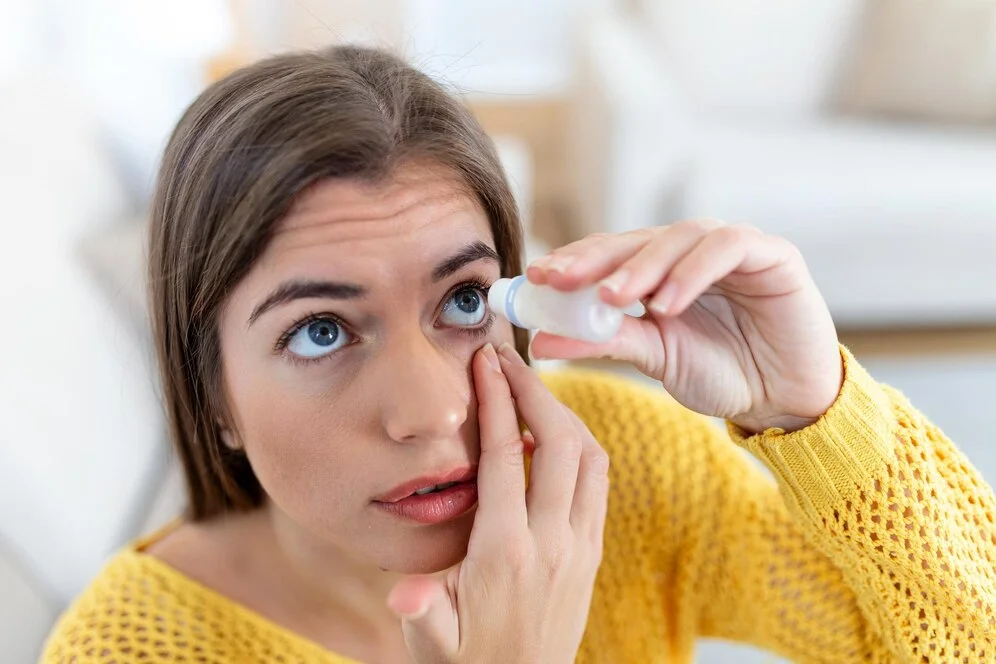
- Use sterile eye drops if your eyes feel dry or irritated (after consulting a doctor).
- If you wear contact lenses, disinfect them properly.
How to Prevent Eye Flu Among Children and Seniors
Both children and the elderly are more vulnerable due to weaker immune systems or less awareness of hygiene practices. Here are special tips:
For Children:
- Teach them not to touch their eyes with dirty hands.
- Provide clean handkerchiefs or tissues for wiping faces.
- Encourage frequent handwashing, especially at school.
For Seniors:
- Make sure their bedding and glasses are cleaned regularly.
- Ensure they avoid crowded hospitals or clinics unless necessary.
- Monitor any signs of irritation and seek medical help quickly.
When Should You See an Eye Specialist?
Even if you follow all prevention tips, symptoms can sometimes arise due to external exposure or weak immunity.
Seek medical attention if:
- The redness and irritation persist beyond 2–3 days.
- There’s a thick yellow discharge from the eyes.
- You experience blurred vision or high sensitivity to light.
- Both eyes become infected, especially with accompanying fever.
Early diagnosis by a trusted specialist can prevent complications like corneal ulcers or recurring infections.
What Makes an Eye Surgeon Trustworthy During Eye Flu Season?
The experience and qualifications of a surgeon or physician matter, especially when dealing with complications arising from infections. A well-known eye surgeon would typically have:
- Years of hands-on experience in both common and complex eye issues.
- Training in updated surgical and diagnostic techniques.
- A reputation for ethical, patient-first care.
- A transparent and personalized approach to treatment.
Someone with an extensive academic and medical background, coupled with compassionate patient care, can guide you effectively during seasonal outbreaks.

FAQs About Eye Flu and Seasonal Eye Care
Q1: Can eye flu be prevented completely?
Yes, with proper hygiene, immunity, and lifestyle habits, you can prevent eye flu or reduce its severity significantly.
Q2: How long does eye flu usually last?
Eye flu typically lasts 5–7 days, but symptoms can vary. If it continues beyond a week, you should consult an eye specialist.
Q3: Is eye flu contagious through air?
Not through air directly, but it spreads through contact with infected surfaces, hands, or shared items.
Q4: Can I use over-the-counter eye drops?
Only if advised by a doctor. Using the wrong drops can worsen the condition.
Q5: What should I avoid if I have eye flu?
Avoid screen exposure, wearing contact lenses, using makeup, and touching your eyes frequently.
Eye Health Starts with Awareness
Taking care of your eyes isn’t just a seasonal concern—it should be a year-round priority. With simple habits like hand hygiene, avoiding shared items, and being cautious in public spaces, you can prevent eye flu and stay protected. If symptoms persist or worsen, it’s essential to consult a qualified eye care professional who can provide accurate diagnosis, effective treatment, and compassionate care based on your unique condition.
Stay safe, stay informed, and let your vision remain as clear as your choices.